
 Arthritis causes pain, stiffness and inflammation within a joint. In the UK, around 10 million people have arthritis, with the most common type being osteoarthritis.
Osteoarthritis initially affects the smooth cartilage lining of a joint. Once the cartilage lining starts to roughen and thin out, the tendons and ligaments have to work harder. This can cause swelling, and the formation of bony spurs called osteophytes. Severe loss of cartilage can lead to bone rubbing on bone, altering the shape of the joint and forcing the bones out of their normal position. This may lead to deformity and compression on the nerve roots of the spine, causing neuralgia (e.g. Sciatica). By restricting an individual’s ability to move freely, it can also exacerbate other conditions including obesity, heart disease, diabetes and cancer. Restricted mobility can also have a profound effect on mood, lead to depression, and increase the incidence of hot flushes and other menopausal symptoms.
Other types of arthrits:
- Rheumatoid arthritis – The immune system attacks the bost’s joints and tendons
- Ankylosing spondylitis – A genetic condition mainly affecting the spine, leading to joint fusion
- Cervical spondylosis – Affects the neck, leading to pain and pressure on the nerves to the arms and hands
- Fibromyalgia – Affects the elderly and causes pain in the body’s muscles, ligaments and tendons. Typically treated with steroids
- Systemic Lupus Erythematosus (SLE) – An autoimmune condition that can affect many different organs.
- Gout – Caused by too much uric acid in the body, leading to intense pain which often starts in the big toe
- Psoriatic arthritis – An inflammatory joint condition that can affect people with psoriasis
- Enteropathic arthritis – A form of chronic, inflammatory arthritis associated with inflammatory bowel disease (IBD)
- Reactive arthritis – Affecting the joints, eyes and urethra, and triggered by an infection of the bowel, genital tract or throat
- Secondary arthritis – Follows joint injury, sometimes occurring many years after the initial trauma
- Polymyalgia rheumatica – Affecting people over 50 years, it involves the immune system causing muscle pain and stiffness
Integrative, dietary and lifestyle strategies to help arthritis
In addition to improving exercise levels, Yoga and Pilates have demonstrated some effectiveness in helping relieve joint pain and improving mobility. Weight reduction, if overweight, does have benefits by reducing the load on weight-bearing joints, even if joint pains have already started. Physical complementary interventions such as acupuncture, reflexology, chiropractic, osteopathy and massage offer emotional support. and there are some reports of improved relief from pain and stiffness .Topical chilli pepper extract (Capsaicin), in 4 RCT’s was found four times more effective than the placebo gel at improving pain, stiffness, joint tenderness and function in participants.
 Exercise and Arthritis
 Exercise and Arthritis
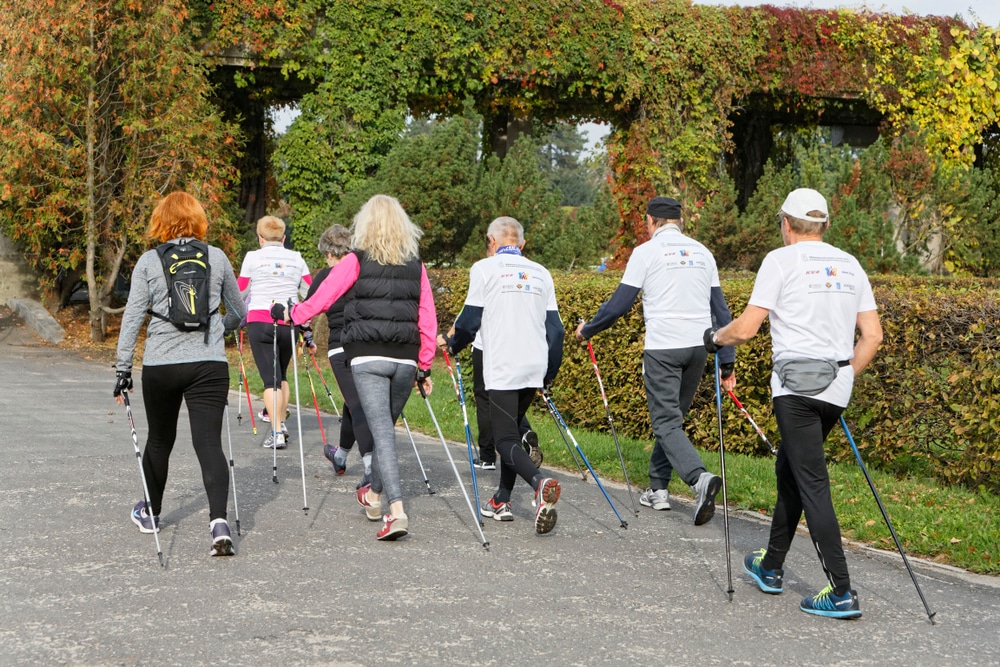
In addition to improving exercise levels, Yoga and Pilates have demonstrated some effectiveness in helping relieve joint pain and improving mobility. Starting to exercise while suffering from arthritis is likely to initially cause pain before benefits are seen. This convinces some people that exercise may be harming their joints, but research shows that in reality, it offers a number of major benefits including reduction of pain, inflammation and stiffness, alongside a lowered risk of disease progression. Exercise is considered the most effective non-drug treatment for reducing pain and improving movement in patients with osteoarthritis.
Range of motion refers to the ability to move your joints through the full motion they are designed to achieve. These exercises include gentle stretching and movements that take joints through their full span. Doing these exercises regularly can help maintain and improve flexibility in the joints. Yoga and Pilates are good examples of these.
Aerobic/endurance exercise: These exercises strengthen the heart and help the lungs work more efficiently. This conditioning reduces fatigue and builds stamina, while aerobic exercise also helps control weight by increasing the number of calories the body uses. Aerobic exercises include walking, jogging, bicycling and swimming.
Strengthening exercises: These exercises help maintain and improve muscle strength. Strong muscles can support and protect joints that are affected by arthritis.
Aquatic (water) exercises: These are particularly helpful for people just beginning to exercise, as well as those who are overweight. The water helps relieve the pressure of your body’s weight on the affected joints (hips and knees in particular) while providing resistance for your muscles to get stronger. Regular aquatic exercise can particularly help relieve pain and improve daily function in people with hip and knee OA. Classes are available in many local sports centres.
In general, and if possible, range-of-motion exercises should be done every day. The weekly recommendation for aerobic exercise is either 150 minutes of moderate-intensity exercise or 75 minutes of vigorous-intensity exercise (a combination of the two is equally effective). This translates to taking a 30-minute brisk walk or bike ride five times a week, or alternatively, jogging, swimming, or cycling at a higher intensity for 25 minutes three times per week.
 Diet and arthritis
 Diet and arthritis
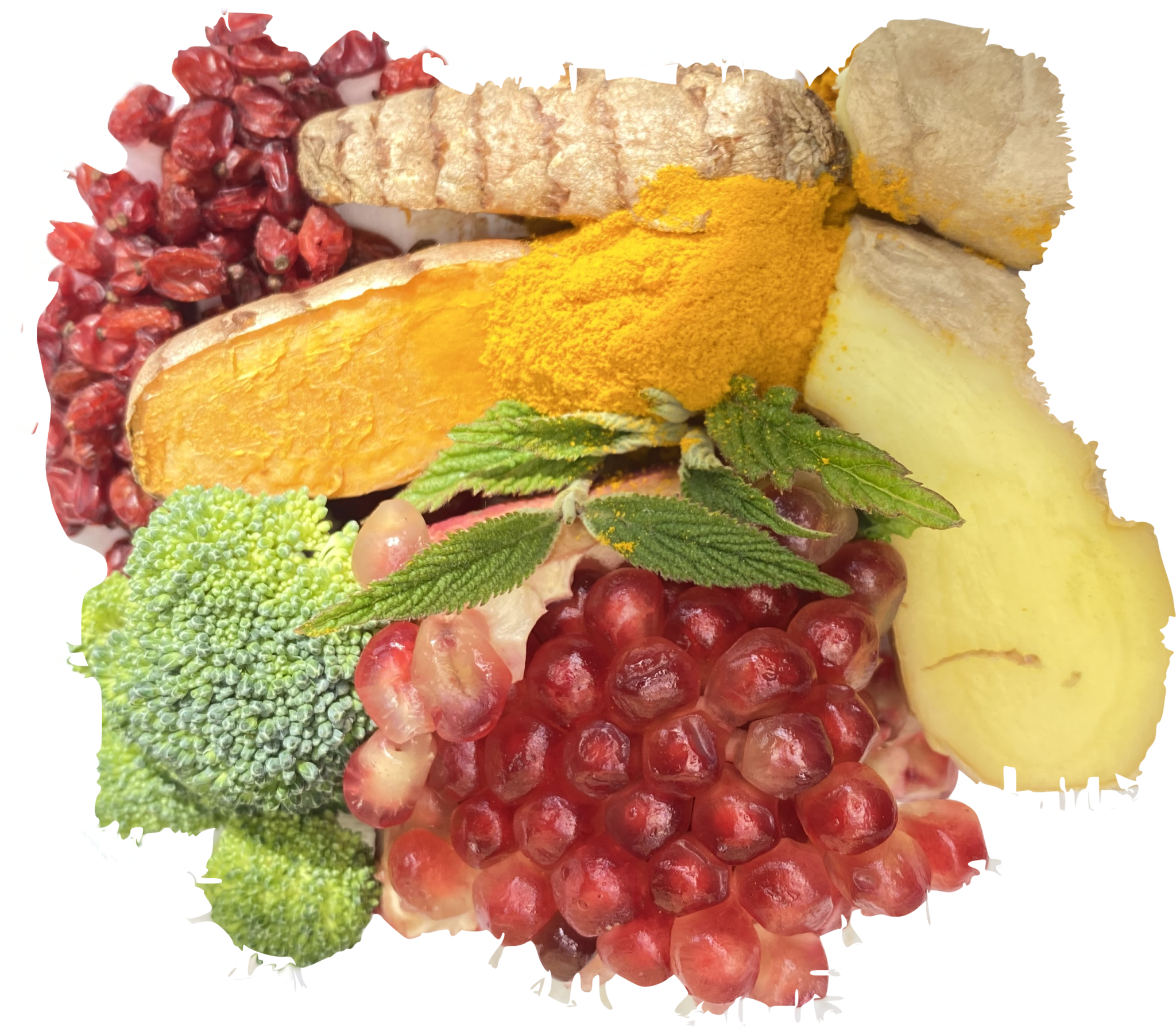
Studies have demonstrated a strong link between diet and arthritis. People who eat foods particularly rich in polyphenols (Fruit, vegetables, teas, herbs, spices, pulses), have been shown to have a lower risk of osteoarthritis-related musculoskeletal inflammation [Wang, McAlindon, Williams, Hanninen]. Similarly, another study confirmed that a period of fasting, followed by a diet rich in cruciferous vegetables, helped lower the number of tender swollen joints, decrease the duration of morning stiffness, improve grip strength and reduced markers of chronic inflammation [Kjeldsen-Kragh]. As well as helping pain and stiffnes, these strategies help the underlying structure of the joint by having
- Anti-inflammatory properties
- Antioxidant properties, which protect the joint from oxidative damage [Giovannucci, Hanninen]
- Direct anti-apoptotic effects on chondrocytes, reducing cartilage degeneration [Shen].
- Modulation of metalloproteinases which can thin cartilage [Dahlberg, Mitchel, Brinckerhoff].
Eat Less:
- Processed sugar and refined carbohydrates – tips to reduce sugar intake
- Excess alcohol consumption – tips for sensible alcohol intake
- Food allergies to substances such as gluten and lactose which cause chronic gut inflammation
- Fried and processed foods
- Advanced glycation end products (AGE), toxins that appears when foods are grilled, fried, or pasteurised
Eat more:
Specific foods and food supplements
 A large number of studies have evaluated whether concentrating whole foods into a nutritional capsule enhances their anti-arthralgia effects [Shen]. Over the counter (OTC) nutritional supplements are particularly popular amongst people with arthritis, with formal surveys reporting that up to 60% of arthralgia suffers have tried a variety of products at some point during their illness [Bishop]. The charity Arthritis Research has comprehensively reviewed 30 available OTC nutritional supplements, highlighting their potential benefits but also emphasising significant gaps in current research [Arthritis research, Shen, Kikuchi]. The more commonly used or potentially beneficial supplements are summarised below.
Glucosamine, an amino sugar made either from shellfish or prepared in a laboratory setting, has been found in animal studies to delay the breakdown and improve repair of damaged cartilage [Fox, Towheed]. In humans with established arthritis, the results from 13 RCTs are mixed [Towheed]. While one RCT involving 400 women with breast cancer did demonstrate a significant difference in pain and knee joint space [Bruyere], two large meta-analyses concluded no meaningful benefit from and glucosamine suggested that further research was needed [Wandel, Towheed].
Chondroitin is a complex sugar found in cartilage usually made commercially from cows, pigs and sharks. Laboratory studies have found it can reduce the activity of enzymes that break down collagen in joints while it is known to have anti-inflammatory properties [Thomas K]. In humans, some RCTs have demonstrated a benefit over placebo, but two meta-analyses concluded that no clinically meaningful benefits could be attributed to regular supplementation [Reichenbach, Wandel].
Fish oils have been reported to improve symptoms of rheumatoid arthritis and also enables lower intake of non-steroidal anti-inflammatory drugs, in turn, lowering the risks of cardiovascular, renal and gastric disease. Evidence suggesting that consumption of fish liver oil improves osteoarthritis currently lacks sufficient data [Cleland 2006, Fortin 1995]. A recent RCT involving women taking aromatase inhibitors found no that fish oil had no benefit over placebo [Hershman 2015].
Rosehip (Rosa canina), a species of wild rose native to Europe, Africa and Asia, contains vitamin C and is rich in anthocyanins, flavonoids (quercetin and catechin) and galactolipids [Thomas]. Rosehip has demonstrated anti-inflammatory capabilities in several experimental models [Deliorman, Winther]. The anti-inflammatory mechanism of the polyphenols within rosehip has been explained via its metabolism of arachidonic acid and inhibition of both cyclooxygenase-1 and 2 [Lattanzio]. Rosehip has also been found to confer chondroprotective effects in vitro [Schwager]. Its clinical effect on joint health has been highlighted in two systemic reviews [Rossnage lK, Chrubasik C]. These included 4 clinical studies, which, although small, suggest a meaningful benefit in humans. Intake of 4 g a day over a four-month period reduced both joint swelling and painkiller use when compared to a placebo.
Turmeric (Curcuma longa) is a perennial plant native to southern Asia and originating from the ginger family. Its constituents include the three curcuminoids, demethoxycurcumin, bisdemethoxycurcumin and curcumin (diferuloylmethane), the primary constituent and the one responsible for its vibrant yellow colour, as well as volatile oils (turmerone, atlantone and zingiberene)[Thomas]. Pharmacological activities, including antioxidant and antimicrobial properties, have been attributed to these curcuminoids [Handler, Thomas]. Cell culture and animal research trials indicate that curcuminoids may have a role in treating diseases such as inflammatory bowel disease, pancreatitis and chronic anterior uveitis [Jurenka 2009]. In addition to these mechanisms, turmeric has antioxidant properties [White].
In one animal experiment, turmeric was administered on a 1:1 random basis intraperitoneally to rats prior to the onset of streptococcal cell wall-induced arthritis. The turmeric profoundly inhibited joint inflammation and periarticular joint destruction in a dose-dependent manner. It also prevented local activation of NF-kappaB and the subsequent expression of NF-kappaB-regulated genes which mediate joint inflammation and destruction via including chemokines, cyclooxygenase 2 and RANK. Consistent with these findings, inflammatory cell influx, levels of prostaglandin E(2) in the joints, and periarticular osteoclast formation were inhibited by the turmeric extract treatment [Funk].
In humans, a crossover double-blind RCT involved either a placebo or 50mg of turmeric in combination with zinc complex (50 mg/capsule), as well as other botanicals such as Boswellia serrate, being given to 42 patients with osteoarthritis three times daily for three months. Those taking the turmeric combination demonstrated significant improvements in pain severity and disability scores [Kulkarni]. Another study, involving 100 men and women with a history of joint pain, involved participants being randomised to receive either a placebo or a supplement containing turmeric root extract. Participants given the turmeric extract reported an improvement in joint pain severity, improvements in the ability to perform daily activities and improved stiffness scores and knee pain after 8 weeks [Nieman]. Finally, a study involving 107 participants with arthritic pains of the knee randomly compared the effects of taking 2g of turmeric versus 800mg ibuprofen per day for 6 weeks. Although both groups’ pain levels improved when walking and climbing stairs, improvement was significantly greater among the turmeric group [Kuptniratsaikul]. Regarding safety, these and other studies have reported turmeric having minimal adverse events, even with intake over 3g/day [Shah, Sharma, Loa].
Green tea (Camellia sinensis) is a rich source of EGCG (Epigallocatechin 3-gallatethe) [Thomas, Manning, Cooper R], a potent antioxidant activities 25-times more effective than vitamins C [Doss, Cooper]. Several laboratory studies analysing chondrocytes derived from OA cartilage have demonstrated that pre-incubation with tea extract, or pure EGCG, reduced pro-inflammatory cytokines such as IL-1β, TNFα, IL-6, prostaglandin E2 and COX-2 [Ahmed, Singh, Samuels, Malemud]. Tea catechins, via their influence on inflammatory cytokines, block activation of matrix-degrading enzymes known as matrix metalloproteinases (MMPs) [Ahmed-5, Brinckerhoff CE, Adcocks, Vankemmelbeke], a large group of collagenase enzymes expressed in high levels in arthritic joints which promote cartilage degradation [Brinckerhoff, Goo].
In animals, the potential impact of EGCG on improving arthritis was first discovered in a study in which mice with collagen-induced arthritis (CIA) given drinking water containing EGCG experienced clear improvements [Haqqi]. Both CIA incidence and severity were reduced, with the mice given ECGC experiencing a marked inhibition of the inflammatory mediators COX-2, IFNγ, and TNFα. Additionally, total immunoglobulins (IgG) and type II collagen-specific IgG levels, were found to be lower in the arthritic joints of mice exposed to EGCG [Haqqi]. Despite this cell line and animal data, there are no significant, prospective trials for humans with arthritis in the pipeline, although studies investigating other conditions in humans have confirmed EGCG’s excellent safety profile [Taylor, Heck, Salahuddin, Cooper].
 Pomegranate (Punica granatum L) is a tree fruit grown in hot dry countries. In the past decade, numerous studies on the antioxidant, anti-carcinogenic and anti-inflammatory properties of pomegranate constituents have been published, focusing on the treatment and prevention of; cancer, cardiovascular disease, diabetes, dental conditions, male infertility, Alzheimer’s disease, arthritis, and obesity [Jurenka]. It contains a variety of phytochemicals including the antioxidant punicalagin, and the polyphenol gallic acid. One study has demonstrated that pomegranate possesses significantly greater antioxidant capacity at much lower concentrations (>1000-fold dilutions) than either grape or blueberry juice, a finding attributed to the higher anthocyanin flavonoid and total flavonoid content than the other juices [Ignarro]. This antioxidant capacity is further enhanced by using the whole fruit, as opposed to extracting individual chemical constituents [Lansky]. In animal and in vitro studies, whole fruit pomegranate extract has been shown to inhibit both the lipoxygenase and cyclooxygenase enzymes which are key to the conversion of inflammatory mediator arachidonic acid to prostaglandins [Schubert].
Pomegranate has also been shown to have a significant inhibitory effect on MMPs within arthritic joints, primarily by inhibiting IL-1beta- induced destruction of proteoglycan [Ahmed]. In humans, no randomised trials specifically investigating joint health have been performed, but one small pilot study demonstrated that pomegranate extract reduced joint tenderness, while participants also had lower serum markers of oxidative stress [Balbir-Gurman].
Broccoli is a cruciferous vegetable rich in phytochemicals such as isothiocyanate and its metabolite sulforaphane (SFN). These have been found to have significant health benefits and improve several conditions including cancer, atherosclerosis and a variety of inflammatory disorders [Thomas, Juge, Dinkova-Kostova, Zakkar]. Brocolli phytochemicals are thought to exert their influence via a variety of biochemical mechanisms. They are known to be potent inductors of antioxidant enzymes, particularly glutathione, which bind free radicals formed by dietary or environmental carcinogens before they damage our DNA, including those within the tissues of our joints [Moore LE et al 2007, Cornelis MC 2007). SFN has been shown to modulate MMP expression in chondrocyte cell lines [Megias J, Kim HA, Kong JS, Young D]. In animal models of arthritis, mice fed an SFN-rich diet had significantly reduced cartilage destruction after 12 weeks, compared with those fed a control diet. This is thought to be due to SFN’s effectiveness at reducing the activation and production of interleukin-17 and tumour necrosis factor [Chen WP, Culley, Kong JS]. Another recent animal study, led by the School of Biological Sciences and Norwich Medical School, found that sulforaphane blocked histone deacetylase (HDAC) inhibitor as well as MMP expression, resulting in direct chondroprotective effects [Davison].
Cordyceps militaris, a parasitic caterpillar fungus found in humid tropical countries, is rich in the phytochemical cordycepin, also known as 3-deoxyadenosine, a nucleoside derivative [Won]. Various studies have focused on the pharmacological activities of cordycepin and revealed it has anti-inflammatory, anti-angiogenesis, anti-ageing and anti-proliferation properties [Kim, Yoo, Lee, Lee, rao]. One recent study examining the inhibitory effects of cordycepin on IL-1β induced osteoarthritis (OA) revealed that cordycepin protected cartilage via its ability to decrease glycosaminoglycan (GAG) release. This study also highlighted several other properties of cordycepin which help prevent OA, namely inhibition of both the gene expressions of MMP catabolic enzymes and inflammatory mediators such as Cyclo-oxidase-2 [Penfei]. Studies involving human cartilage and chondrocytes have confirmed cordycepin decreases GAG release, lowers nitric oxide production, and decreases gene expressions of inflammatory and catabolic mediators [Rao]. Extracts have been found to be completely safe in toxicology studies [Yan, Yooh].
Boswellia serrate (Indian Frankincense) is a branching tree of the family Burseraceae that grows in dry mountainous regions of India, Northern Africa and the Middle East. Its resin contains a number of phytochemicals including; monoterpenes, diterpenes, triterpenes, pentacyclic triterpenic acids (boswellic acids), and tetracyclic triterpenic acids [Siddiqui]. These phytochemicals, particularly the boswellic acids, have a wide range of microbiological effects which have potential disease-modifying effects on arthritis and other chronic conditions [Siddiqui].
In human chondrocytes, Boswellia serrata has demonstrated an ability to suppress a protein known as RANKL, which induces osteoclastogenesis and potentiates apoptosis, preventing cartilage and bone reabsorption [Sengupta, Tardaka]. Boswellia has also been shown to suppress the TNF-α induced release of MMP-3 [Siddiqui, Sengupta]. A unique property of boswellic acid is its ability to inhibit leukotriene synthesis by either interacting directly with, or blocking, translocation of the pro-inflammatory enzyme 5-lipoxygenase (5-LO) [Siemoneit]. Boswellia serrata also inhibits NF-kB activation from irritants such as cigarette smoke or direct exposure to cytokines [Siddiqui].
In mice with formaldehyde induced arthritis, those fed with Boswellia exhibited a 50% increase in anti-arthritic activity [Singh]. A similar protective effect was seen in rabbits who had arthritis induced by bovine serum albumin [Sharma]. In humans, an RCT involving 75 participants with established osteoarthritis found that, compared to placebo, those given enriched Boswellia serrata extract had improved pain and functional ability scores as well as a significant reduction in synovial fluid matrix metalloproteinase-3 [Sengupta]. In another small RCT, capsules containing 333 mg of Boswellia taken three times a day for 8 weeks were found to improve pain, knee flexion and walking distance compared to placebo [Kimmatkar]. Several small, non-controlled randomised trials involving participants with rheumatoid arthritis report similar benefits [Kulkarni, Chrubasik, Chopra].
Beetroot (Beta vulgaris rubra), while rich in several bioactive compounds including ascorbic acid, carotenoids, phenolic acids and flavonoids, is also one of the few vegetables that contain a group of phytochemical pigments known as betalains. These are categorised as either betacyanin pigments which are red-violet in colour, or betaxanthin pigments which are yellow-orange [Clifford, Ninfali]. A number of investigations have reported that betalains have high antioxidant and anti-inflammatory capabilities [Vidal, Clifford, Reddy], suggesting that beetroot may have a role in the nutritional management of clinical pathologies characterised by oxidative stress and chronic inflammation, including arthritis [Pietrzkowski] and even cancer [Das].
Betalains have been shown to interfere with pro-inflammatory signalling cascades involving Nuclear Factor-Kappa B (NF-κB) and interleukin-6 (IL-6) [Baker], while they also appear to markedly suppress the expression of cyclooxygenase-2 (COX-2), a precursor molecule for pro-inflammatory arachidonic acid metabolites and prostaglandins [Vidal]. One study group reported that betalains inhibited COX-2 enzyme activity by 97%, a level comparable to or greater than commonly used anti-inflammatory drugs (Ibuprofen, and Celebrex). In humans, therapeutic administration of betalain-rich oral capsules made from beetroot extract alleviated inflammation and pain in osteoarthritic patients. Additionally, after 10 days of supplementation (100, 70 or 35 mg per day), the pro-inflammatory cytokines, tumour necrosis factor-alpha (TNF-α) and interleukin-6 (IL-6), had decreased by up to 30% [Pietrzkowski].
The antioxidant properties of betalain, and other pigments in beetroot, have been reported in several animal studies [Reddy, Clifford]. In one such study, rats were randomised to receive either a normal diet or a diet supplemented with a dried beetroot extract for 7 days, before being exposed to carbon-tetrachloride, a well-established carcinogen and reactive oxygen, nitrogen species (RONS) generator. Those rats pre-treated with the beetroot expressed significantly lower levels of lipid peroxidation, a marker of oxidative damage. Furthermore, the beetroot extract-fed rats maintained endogenous antioxidant enzyme activity (glutathione peroxidase, superoxide dismutase and catalase enzymes) at normal cellular concentrations following the oxidative insult, while those in the control group saw levels drop significantly. This suggests beetroot exhibits indirect antioxidant effects via up-regulation of antioxidant defence mechanisms [Vulić].
Piperine (Piper nigrum and Piper longum, respectively) is a constituent of black pepper and long pepper. Studies have shown it increases the bioavailability of polyphenols following ingestion of other foods such as curcumin, a chemical which is not particularly well absorbed on its own [Belcaro]. In humans, 20mg piperine given concomitantly with 2g of curcumin increased serum curcumin bioavailability 20-fold [Shoba]. In another study, complexing curcumin with a phospholipid increased absorption 5-fold [Belcaro]. It has also been shown to increase to absorption of polyphenols from other foods [Belcaro].
References
Siemoneit U, Pergola C, Jazzar B, et al. On the interference of boswellic acids with 5-lipoxygenase: Mechanistic studies in vitro and pharmacological relevance. Eur J Pharmacol. 2009; 606:246–54.
Singh GB, Atal CK. Pharmacology of an extract of Boswellia serrata. Indian J Pharmacol. 1984; 16:51.
Sharma ML, Bani S, Singh GB. Anti-arthritic activity of boswellic acids in bovine serum albumin (BSA)-induced arthritis. Int Immunopharmacol. 1989; 11:647–52.
Siddiqui MZ Boswellia Serrata, A Potential Anti-inflammatory Agent: An Overview. 2011 Indian J Pharm Sci; 73(3):255-61
Sengupta K, et al Cellular and molecular mechanisms of anti-inflammatory effect of Aflapin: a novel Boswellia serrata extract . Mol Cell Biochem. (2011)
Takada Y, et al Acetyl-11-keto-beta-boswellic acid potentiates apoptosis, inhibits invasion, and abolishes osteoclastogenesis by suppressing NF-kappa B and NF-kappa B-regulated gene expression . J Immunol. (2006)
Sengupta K, Alluri KV, Satish AR, Mishra S, Golakoti T, Sarma KVS et al. A double- blind, randomised, placebo-controlled study of the efficacy and safety of 5-LOXIN® for treatment of osteoarthritis of the knee. Arthritis Research & Therapy 2008; 10(4): 85-9.
Kulkarni R, Patki P, Jog V, Gandage S, Patwardhan B. Treatment of osteoarthritis with a herbomineral formulation: A double blind, placebo-controlled, cross-over study. J Ethnopharmacol. 1991;33:91–5.
Chopra A, Lavin P, Patwardhan B et al. Randomized double blind trial of an Ayurvedic plant derived formulation for treatment of rheumatoid arthritis. J Rheumatol. 2000;27:1365–72.
Kimmatkar N, Thawani V, Hingorani L, et al. Efficacy and tolerability of Boswellia serrata extract in treatment of osteoarthritis of knee – a randomised, double blind, placebo-controlled trial. Phytomedicine 2003;10(1):3–7
Sontakke S, Thawani V, Pimpalkhute S, Kabra P, Babhulkar S, Hingorani L. Open, randomised, controlled clinical trial of Boswellia serrata extract as compared to valdecoxib in osteoarthritis of knee. Indian Journal of Pharmacology 2007; 39:27–29.
Sengupta K, Krishnaraju AV, Vishal AA et al. Comparative efficacy and tolerability of 5-LOXIN® and Aflapin® against osteoarthritis of the knee: a double-blind, randomised, placebo-controlled clinical study. International Journal of Medical Sciences 2010; 7(6):366–77.
Chrubasik JE, Roufogalis BD, Chrubasik S. Evidence of effectiveness of herbal antiinflammatory drugs in the treatment of painful osteoarthritis and chronic low back pain . Phytother Res. (2007).
Altman RD, Aven A, Holmburg CE, Pfeifer LM, Sack M, Young GT. Capsaicin cream 0.025% as monotherapy for osteoarthritis: a double-blind study. Seminars in Arthritis & Rheumatology 1994; 23 (Suppl):25–33.
McCleane G. The analgesic efficacy of topical capsaicin is enhanced by glyceryl trinitrate in painful osteoarthritis: a randomised, double-blind, placebo-controlled study. European Journal of Pain 2000; 4(4):355–60.
Kosuwon W, Sirichatiwapee W, Wisanuyotin T, Jeeravipoolvarn P, Laupattarakasem W. Efficacy of symptomatic control of knee osteoarthritis with 0.0125% of capsaicin versus placebo. Journal of the Medical Association of Thailand 2010; 93(10): 1188–95.
Mason L, Moore RA, Derry S, Edwards JE, McQuay HJ. Systematic review of topical capsaicin for the treatment of chronic pain. British Medical Journal 2004; 328(7446):991.
Kwan W, Jackson J, Weir L et al Chronic Arm Morbidity After Curative Breast Cancer Treatment: Prevalence and Impact on Quality of Life J Clin Oncol 20:4242-4248. 2002
Pegram M 2001. Docitaxol ond Herceptin: Further strategies. The Oncologist vol 6, sup 3 pp 22-27.
Irwin ML, Cartmel B, Gross C, et al: Randomized trial of exercise vs usual care on aromatase inhibitor-associated arthralgia in women with breast cancer. 2015 JCO 33 (10); 1103-1111
Irwin ML, Varma K, Alvarez-Reeves M, et al.; RCT of aerobic exercise on insulin and IGF in breast cancer survivors: The Yale Survivorship study. Cancer Epidemiol Biomarkers Prev 2009; 18(1): 306-13.
Irwin ML, Alvarez-Reeves M, Cadmus L, Exercise improves body fat, lean mass, and bone mass in breast cancer survivors. Obesity. 2009 17(8):1534-41. doi: 10.1038/oby.2009.18. Epub 2009
Irwin ML, Wilder Smith A, McTiernan A et al.; Influence of Physical Activity on Mortality in Breast Cancer Survivors: The Health, Eating, Activity, and Lifestyle Study. J Clin Oncol 2008; 26(24): 3958-3964.
Davies C, Pan H, Godwin A, et. al. for the Adjuvant Tamoxifen: Longer Against Shorter (ATLAS) Collaborative Group. Long-term effects of continuing adjuvant tamoxifen to 10 years versus stopping at 5 years after diagnosis of oestrogen receptor-positive breast cancer: ATLAS, a randomised trial. Lancet. Mar 9, 2013; 381(9869): 805–816.
Hershman DL, Unger JM, Crew KD et al Randomized Multicenter Placebo-Controlled Trial of Omega-3 Fatty Acids for the Control of Aromatase Inhibitor–Induced Musculoskeletal Pain: SWOG S0927 JCO 2015 vol. 33 no. 17 1910-1917.
Thomas R, Oakes R, Gordon J, et al: A randomised, double-blind phase II study of lifestyle counselling and salicylate compounds in patients with progressive prostate cancer. Nutrition & Food Science, 39(3):295-305, 2009
Thomas KJ, Coleman P et al. Use of complementary or alternative medicine in a general population in Great Britain. Results from the National Omnibus Survey. Journal of Public Health 2004; 26:152–57.
Thomas KJ, Nicholl JP, Coleman P. Use and expenditure on complementary medicine in England: a population based survey. Complementary Therapies in Medicine 2001; 9:2–11.
Thomas R, C Marshall, M Williams, L Walker Can switching to Aromatase inhibitors in tamoxifen intolerant post menopausal women improve hot flushes, toxicity, qol and mood? British Journal of Cancer (2008) 98, 1494-1499.
Thomas R, Daly M, Perryman B, Stockton D. Forewarned is forearmed – benefits of preparatory information on video cassette for patients receiving chemotherapy or radiotherapy – a randomised controlled trial. Eur J Cancer. 2000;36:1536-1543.
Thomas R, Thornton H, Mackey J. Patient information materials in oncology: are they needed and do they work? Clin Oncol (R Coll Radiol). 1999; 11:225-231.
A double blind, placebo controlled randomised trial (RCT) evaluating the effect of a polyphenol rich whole food supplement on PSA progression in men with prostate cancer – The UK National Cancer Research Network (NCRN) Pomi-T study. R Thomas, M Williams1, H Sharma, A Chaudry, P Bellamy. Prostate Cancer and Prostatic Diseases March 2014 17, pp180-6 (doi:10.1038/pcan.2014.6)
The benefits of exercise after cancer – An international review of the clinical and microbiological benefits. (2014) R Thomas & M Holmes. The British Journal of Medical Practitioners, vol 7 number 1, pp2-9.
Phytochemicals in cancer prevention and management ? Robert Thomas, Elizabeth Butler, Fabio Macchi and Madeleine Williams BJMP June 2015 Volume 8 Number 2
Chlebowski R, Aiello E, McTiernan A; Weight loss in breast cancer patient management. J Clin Oncol 2002; 20(4): 1128-1143
Kenfield SA, Stampfer MJ, Giovannucci E, et al.; Physical Activity and Survival After Prostate Cancer Diagnosis in the Health Professionals Follow-Up Study. J Clin Oncol 2011; 29(6): 726-732.
Richman EL, Kenfield SA, Stampfer MJ, et al. Physical Activity after Diagnosis and Risk of Prostate Cancer Progression: Data from the Cancer of the Prostate Strategic Urologic Research Endeavor. Cancer Res 2011; 71(11): 1-7.
Pierce JP, Natarajan, Caan BJ,et al. Influence of fibre, vegetables and exercise after breast cancer. 2007 JAMA 18, 298 (3) 289-98.
Sternfeld B et al Life after cancer epidemiology LACE study. 2005 Cancer Causes Control 16(50 545-56
Fong DY, Ho JW, Hui BP, Lee AM, Macfarlane DJ, Leung SS. Physical activity for cancer survivors: meta-analysis of randomised controlled trials. BMJ 2012 Jan;344e70
Schmitz KH, Courneya KS, Matthews C et al. (2010) American College of Sports Medicine roundtable on exercise guidelines for cancer survivors. Med Sci Sports Exercise 42: 1409-26
Markes M, Brockow T, Resch K (2006): Exercise for women receiving adjuvant therapy for breast cancer. Cochrane Database of systemic reviews: art no.CD005001. Doi 10.1002/14651858.CD005001.pub2.;
McNeeley M, Campbell K, Rowe B et al (2006) Effects of exercise on breast cancer patients and survivors: A systemic review and meta-analysis. Canadian Medical Association Journal 175:34-41.
Haydon AM, McInnis RJ, English DR, et al.; The effect of physical activity and body size on survival after diagnosis with colorectal cancer. Gut 2006; 55(1): 62-67.
Reddy KS, Roy A Cardiovascular risk of NSAIDs: time to translate knowledge into practice. PLoS Med. 2013; 10(2):e1001389. Epub 2013.
Haslock I, Monro R, Nagarathna R, Nagendra HR, Raghuram NV. Measuring the effects of yoga in rheumatoid arthritis. Br J Rheumatol 1994; 33(8):787-788.
Felson DT. Developments in the clinical understanding of osteoarthritis. Arthritis Res Ther. 2009;11:203. doi: 10.1186/ar2531.
Felson DT, Chaisson CE: Understanding the relationship between body weight and osteoarthritis. Baillieres Clinical Rheumatology 1997;11:671-681.
Felson DT, Zhang Y, Hannan MT, et al: Risk factors for incident radiographic knee osteoarthritis in the elderly: the Framingham Study. Arthritis Rheum. 1997;40:728-
Bao T, Cai L, Giles JT, et al. A dual-center randomized controlled double blind trial assessing the effect of acupuncture in reducing musculoskeletal symptoms in breast cancer patients taking aromatase inhibitors. Breast Cancer Res Treat. 2013;138(1):167–174.
Schouten JS, van den Ouweland FA, Valkenburg HA: A 12 year follow up study in the general population on prognostic factors of cartilage loss in osteoarthritis of the knee. Ann Rheum Dis. 1992;51:932-937.
Wang Y, Hodge A, Wluka A, English D, Giles G, O’Sullivan R, et al. Effect of antioxidants on knee cartilage and bone in healthy, middle-aged subjects: a cross-sectional study. Arthritis Res Ther 2007; 9:R66.
McAlindon TE, Jacques P, Zhang Y, Hannan MT, Aliabadi P, Weissman B, et al. Do antioxidant micronutrients protect against the development and progression of knee osteoarthritis? Arthritis Rheum 1996; 39:648–56.
Williams FM, Skinner J, Spector TD, Cassidy A, Clark IM, Davidson RM, et al. Dietary garlic and hip osteoarthritis: evidence of a protective effect and putative mechanism of action. BMC Musculoskelet Disord 2010;11:280.
Hanninen J, Kaartinen K, Rauma AL, Nenonen M, Torronen R, Hakkinen AS, Adlercreutz H, Laakso J. Antioxidants in vegan diet and rheumatic disorders. Toxicology. 2000;155(1-3):45-53.
Muller H, de Toledo FW, Resch KL. Fasting followed by vegetarian diet in patients with rheumatoid arthritis: a systematic review. Scand J Rheumatol. 2001;30(1):1-10
Kjeldsen-Kragh J, Borchgrevink CF, Laerum E, et al Controlled trial of fasting and one-year vegetarian diet in rheumatoid arthritis The Lancet, Volume 338, Issue 8772, Pages 899 – 902
Shen CL, Smith BJ, Lo DF Dietary polyphenols and mechanisms of osteoarthritis. J Nutr Biochem. 2012 Nov;23(11):1367-77. doi: 10.1016/j.jnutbio.2012.04.001. Epub 2012 Jul 23.
Bishop FL, Yardley L, Lewith GT. A systematic review of beliefs involved in the use of complementary and alternative medicine. Journal of Health Psychology 2007; 12:851–67.
Kikuchi M, Matsuura K, Matsumoto Y, Inagaki T, Ueda R. Bibliographical investigation of complementary alternative medicines for osteoarthritis and rheumatoid arthritis. Geriatr Gerontol Int. 2009;9:29–40. doi: 10.1111/j.1447-0594.2008.00503.x.
Penfei Hu, Weping C, Jiapeng B, et al Cordycepin modulates inflammatory and catabolic gene expression in interleukin-1beta-induced human chondrocytes from advanced-stage osteoarthritis: an in vitro study Int J Clin Exp Pathol. 2014; 7(10): 6575–6584.
Won SY, Park EH. Anti-inflammatory and related pharmacological activities of cultured mycelia and fruiting bodies of Cordyceps militaris. J Ethnopharmacol. 2005;96:555–61. [PubMed]
Kim HG, Shrestha B, Lim SY, Yoon DH, Chang WC, Shin DJ, Han SK, Park SM, Park JH, Park HI, Sung JM, Jang Y, Chung N, Hwang KC, Kim TW. Cordycepin inhibits lipopolysaccharide-induced inflammation by the suppression of NF-kappaB through Akt and p38 inhibition in RAW 264.7 macrophage cells. Eur J Pharmacol. 2006;545:192–9. [PubMed]
Yoo HS, Shin JW, Cho JH, Son CG, Lee YW, Park SY, Cho CK. Effects of Cordyceps militaris extract on angiogenesis and tumor growth. Acta Pharmacol Sin. 2004;25:657–65. [PubMed]
Lee YR, Noh EM, Jeong EY, Yun SK, Jeong YJ, Kim JH, Kwon KB, Kim BS, Lee SH, Park CS, Kim JS. Cordycepin inhibits UVB-induced matrix metalloproteinase expression by suppressing the NF-kappaB pathway in human dermal fibroblasts. Exp Mol Med. 2009;41:548–54. [PMC free article] [PubMed]
Lee SJ, Kim SK, Choi WS, Kim WJ, Moon SK. Cordycepin causes p21WAF1-mediated G2/M cell-cycle arrest by regulating c-Jun N-terminal kinase activation in human bladder cancer cells. Arch Biochem Biophys. 2009;490:103–9. [PubMed]
Rao YK, Fang SH, Tzeng YM. Evaluation of the anti-inflammatory and anti-proliferation tumoral cells activities of Antrodia camphorata, Cordyceps sinensis, and Cinnamomum osmophloeum bark extracts. J Ethnopharmacol. 2007;114:78–85. [PubMed]
Noh EM, Kim JS, Hur H, Park BH, Song EK, Han MK, Kwon KB, Yoo WH, Shim IK, Lee SJ, Youn HJ, Lee YR. Cordycepin inhibits IL-1beta-induced MMP-1 and MMP-3 expression in rheumatoid arthritis synovial fibroblasts. Rheumatology (Oxford) 2009;48:45–8. [PubMed]
Yan WJ, Li TH, Lin QY, Song B, Jiang ZD Safety assessment of Cordyceps guangdongensis. Food Chem Toxicol 2010; 48 (11): 3080-4.
Yoo HS, Lee HJ, Kim JS, Yoon J, Lee GH et al A toxicological study of HangAmDan-B (Cordyceps) in mice.J Acupunct Meridian Stud. 2011; 4(1): 54-60
Fox BA, Stephens MM. Glucosamine/chondroitin/primorine combination therapy for osteoarthritis. Drugs Today (Barc) 2009;45:21–31. doi: 10.1358/dot.2009.45.1.1314053.
TowheedT,MaxwellL,AnastassiadesTP,SheaB,HouptJ,RobinsonVetal. Glucosamine therapy for treating osteoarthritis. Cochrane Database Systematic Review 2005; 18(2):CD002946.
Arthritis Research UK [Registered Charity No 207711] © 2012 Published October 2012 3300/CAM-REP/12-1. ISBN 978-1-901815-13-9
Bruyere O, Pavelka K, Rovati L et al Glucosamine sulfate reduces osteoarthritis progression in postmenopausal women with knee osteoarthritis: evidence from two 3-year studies. Menopuase 2004; 11(2):138-43.
Wandel S, Juni P, Tendal B Effects of glucosamine, chondroitin, or placebo in patients with osteoarthritis of hip or knee: network meta-analysismeta-analysis. BMJ 2010; 341.
Deliorma O,, Harteviogui A, Kupeli E, Yesilada E. In vivo anti-inflammatory and antinociceptive activity of the crude extract and fractions from Rosa canina L. fruits. J Ethnopharmacol 2007;112:394–400. Search PubMed
Lattanzio F, Greco E, Carretta D, Cervellati R, Govoni P, Speroni E. In vivo anti-inflammatory effect of Rosa canina L. extract. J Ethnopharmacol 2011;137:880–5. Search PubMed
Schwager J, Hoeller U, Wolfram S, Richard N. Rosehip and its constituent galactolipids confer cartilage protection by modulating cytokine, and chemokine expression. BMC Complement Altern Med 2011;11:105. Search PubMed
Larsen E, Kharazmi A, Christensen LP, Christensen SB. An antiinflammatory galactolipid from rosehip (Rosa canina) that inhibits chemotaxis of human peripheral blood neutrophils in vitro. J Nat Prod 2003;66:994–5. Search PubMed
Winther K, Rein E, Kharazmi A. The antiinflammatory properties of rose-hip. Inflammopharmacology 1999;7:63–8. Search PubMed
Winther K. Rose-hip in the form of HybenVital, has no impact on coagulation, platelet function and fibrinoloysis in Third International Exhibition and Conference on Nutraceuticals and Food for Vitality. 2000: Palexpo Exhibition and Conference Centre, Geneva, Switzerland.
Rossnage lK, Roll S, Willich SN. The clinical effectiveness of rosehip powder in participants with osteoarthritis. A systematic review. MMW – Fortschritte der Medizin 2007; 149(11):51–56.
Chrubasik C, Duke RK, Chrubasik S. The evidence for clinical efficacy of rosehip and seed: a systematic review. Phytotherapy Research 2006; 20(1):1–3.
ReinE, Kharazmi A, WintherK.Aherbalremedy,HybenVital(stand.powder of a subspecies of Rosa canina fruits), reduces pain and improves general wellbeing in participants with osteoarthritis – a double-blind, placebo-controlled, randomised trial. Phytomedicine 2004; 11(5):383–91.
Warholm O, SkaarS,HedmanE,MolmenHM,EikL.Theeffectsofastandardized herbal remedy made from a subtype of Rosa canina in participants with osteoarthritis: a double-blind, randomised, placebo-controlled clinical trial. Current Therapeutic Research 2003; 64:21–31.
WillichSN,RossangelK,RollS,WagnerA,MuneO,ErlendsonJ,KharazmiA, Sörensen H, Winther K. Rose hip herbal remedy in participants with rheumatoid arthritis – a randomised controlled trial. Phytomedicine 2010; 17:87–93.
Winther K, Apel K, Thamsborg G. A powder made from seeds and shells of a rose- hip subspecies (Rosa canina) reduces symptoms of knee and hip osteoarthritis: a randomised, double-blind, placebo-controlled clinical trial. Scandinavian Journal of Rheumatology 2005; 34(4):302–08.
Lattanzio F, Greco E, Carretta D, Cervellati R, Govoni P, Speroni E. In vivo anti-inflammatory effect of Rosa canina L. extract. J Ethnopharmacol 2011;137:880–5. Search PubMed
Schwager J, Hoeller U, Wolfram S, Richard N. Rosehip and its constituent galactolipids confer cartilage protection by modulating cytokine, and chemokine expression. BMC Complement Altern Med 2011;11:105. Search PubMed
Larsen E, Kharazmi A, Christensen LP, Christensen SB. An antiinflammatory galactolipid from rosehip (Rosa canina) that inhibits chemotaxis of human peripheral blood neutrophils in vitro. J Nat Prod 2003;66:994–5. Search PubMed
Winther K, Rein E, Kharazmi A. The antiinflammatory properties of rose-hip. Inflammopharmacology 1999;7:63–8. Search PubMed
Winther K. Rose-hip in the form of HybenVital, has no impact on coagulation, platelet function and fibrinoloysis in Third International Exhibition and Conference on Nutraceuticals and Food for Vitality. 2000: Palexpo Exhibition and Conference Centre, Geneva, Switzerland.
ClelandLG,CaugheyGE,JamesMJ,ProudmanSM.Reductionofcardiovascularrisk factors with long-term fish oil treatment in early rheumatoid arthritis. Journal of Rheumatology 2006; 33(10):1973–79.
FortinPR,LewRA,LiangMH.Validationofameta-analysis:theeffectsoffishoil in rheumatoid arthritis. Journal of Clinical Epidemiology 1995; 48(11):1379–90.
Giovannucci E, Rimm EB, Liu Y, et al: A prospective study of tomato products, lycopene, and prostate cancer risk. J Natl Cancer Inst 94:391-398, 2002
Dahlberg L, Billinghurst RC, Manner P, Nelson F, Webb G, Ionescu M, Reiner A, Tanzer M, Zukor D, Chen J, van Wart HE, Poole AR. Selective enhancement of collagenase-mediated cleavage of resident type II collagen in cultured osteoarthritic cartilage and arrest with a synthetic inhibitor that spares collagenase 1 (matrix metalloproteinase 1) Arthritis Rheum. 2000;43:673–682. doi: 10.1002/1529-0131(200003)43:3<673::AID-ANR25>3.0.CO;2-8.
Mitchell PG, Magna HA, Reeves LM, Lopresti-Morrow LL, Yocum SA, Rosner PJ, Geoghegan KF, Hambor JE. Cloning, expression, and type II collagenolytic activity of matrix metalloproteinase-13 from human osteoarthritic cartilage. J Clin Invest. 1996;97:761–768. doi: 10.1172/JCI118475.
Brinckerhoff CE, Matrisian LM. Matrix metalloproteinases: a tail of a frog that became a prince. Nat Rev Mol Cell Biol. 2002;3:207–214. doi: 10.1038/nrm763.
Jurenka JS. Anti-inflammatory properties of curcumin, major constituent of Curcuma longa: a review of preclinical and clinical research. Altern Med Rev. 2009 Jun;14(2):141-53. Review. Erratum in: Altern Med Rev. 2009 Sep;14(3):277.
Jurenka JS. Therapeutic applications of pomegranate (Punica granatum L.): a review. Altern Med Rev. 2008 Jun;13(2):128-44.
White B, Judkins DZ. Clinical Inquiry. Does turmeric relieve inflammatory conditions? J Fam Pract. 2011 Mar;60(3):155-6.
Lao CD, Ruffin MT 4th, Normolle D. Dose escalation of a curcuminoid formulation. BMC Complement Altern Med. 2006 Mar 17;6:10.
Sharma RA, Steward WP, Gescher AJ. Pharmacokinetics and pharmacodynamics of curcumin. Adv Exp Med Biol. 2007;595:453-70.
Shah BH, et al (1999). Inhibitory effect of curcumin, on platelet-activating factor through inhibition of thromboxane formation and Ca2+ signaling. Biochem Pharmacol., 58(7): 1167–1172.
Funk JL1, Frye JB, Oyarzo JN et al Efficacy and mechanism of action of turmeric supplements in the treatment of experimental arthritis 2006. Arthritis Rheum. 54(11):3452-64.
Kulkarni RR, Patki PS, Jog VP, et al. Treatment of osteoarthritis with a herbomineral formulation: a double-blind, placebo controlled, cross-over study. J Ethnopharmacol 1991;33:91-95.
Nieman DC, Shanely RA, Luo B, Dew D, Meaney MP, Sha W A commercialized dietary supplement alleviates joint pain in community adults: a double-blind, placebo-controlled community trial. Nutr J. 2013 Nov 25; 12(1):154. Epub 2013 Nov 25.
KuptniratsaikulV,ThanakhumtornS,ChinswangwatanakulP,Wattanamongkonsil L, Thamlikitkul V. Efficacy and safety of Curcuma domestica extracts in patients with knee osteoarthritis. Journal of Alternative and Complementary Medicine 2009; 15(8):891–97.
Belcaro G, Cesarone MR, Dugall M et al. Product-evaluation registry of Meriva(R), a curcumin-phosphatidylcholine complex, for the complementary management of osteoarthritis. Panminerva Med 2010;52:55-62.
Shoba G, Joy D, Joseph T, et al. Influence of piperine on the pharmacokinetics of curcumin in animals and human volunteers. Planta Med 1998;64:353-356.
Manning J, Roberts JC. Analysis of catechin content of commercial green tea products. J Herb Pharmacother. 2003;3:19–32. doi: 10.1300/J157v03n03_03.
Cooper R, Morre DJ, Morre DM. Medicinal benefits of green tea: part I. Review of noncancer health benefits. J Altern Complement Med. 2005;11:521–528. doi: 0.1089/acm.2005.11.521
Doss MX, Potta SP, Hescheler J, Sachinidis A. Trapping of growth factors by catechins: a possible therapeutical target for prevention of proliferative diseases. J Nutr Biochem. 2005;16:259–266. doi: 10.1016/j.jnutbio.2004.11.003.
Samuels J, Krasnokutsky S, Abramson SB. Osteoarthritis: a tale of three tissues. Bull NYU Hosp Jt Dis. 2008;66:244–250.
Malemud CJ, Islam N, Haqqi TM. Pathophysiological mechanisms in osteoarthritis lead to novel therapeutic strategies. Cells Tissues Organs. 2003;174:34–48. doi:
Singh R, Ahmed S, Malemud CJ, Goldberg VM, Haqqi TM. Epigallocatechin-3-gallate selectively inhibits interleukin-1beta-induced activation of mitogen activated protein kinase subgroup c-Jun N-terminal kinase in human osteoarthritis chondrocytes. J Orthop Res. 2003;21:102–109. doi: 10.1016/S0736-0266(02)00089-X.
Ahmed S, Wang N, Hafeez BB, et al. Punica granatum L. extracts inhibits IL-1Beta-induced expression of matrix metalloproteinases by inhibiting the activation of MAP kinases and NF-kappaB in human chondrocytes in vitro. J Nutr 2005;135:2096-2102.
Ahmed S, Wang N, Lalonde M, Goldberg VM, Haqqi TM. Green tea polyphenol epigallocatechin-3-gallate (EGCG) differentially inhibits interleukin-1 beta-induced expression of matrix metalloproteinase-1 and -13 in human chondrocytes. J Pharmacol Exp Ther. 2004;308:767–773. doi: 10.1124/jpet.103.059220.
Ahmed S, Rahman A, Hasnain A, Lalonde M, Goldberg VM, Haqqi TM. Green tea polyphenol epigallocatechin-3-gallate inhibits the IL-1 beta-induced activity and expression of cyclooxygenase-2 and nitric oxide synthase-2 in human chondrocytes. Free Radic Biol Med. 2002;33:1097–1105. doi: 10.1016/S0891-5849(02)01004-3.
Ahmed S, Pakozdi A, Koch AE. Regulation of interleukin-1β-induced chemokine production and matrix metalloproteinase 2 activation by epigallocatechin-3-gallate in rheumatoid arthritis synovial fibroblasts. Arthritis Rheum. 2006;54:2393–2401. doi: 10.1002/art.22023.
Adcocks C, Collin P, Buttle DJ. Catechins from green tea (Camellia sinensis) inhibit bovine and human cartilage proteoglycan and type II collagen degradation in vitro. J Nutr. 2002;132:341–346.
Vankemmelbeke MN, Jones GC, Fowles C, Ilic MZ, Handley CJ, Day AJ, Knight CG, Mort JS, Buttle DJ. Selective inhibition of ADAMTS-1, -4 and -5 by catechin gallate esters. Eur J Biochem. 2003;270:2394–2403. doi: 10.1046/j.1432-1033.2003.03607.x.
Goo HC, Hwang YS, Choi YR, Cho HN, Suh H. Development of collagenase-resistant collagen and its interaction with adult human dermal fibroblasts. Biomaterials. 2003;24:5099–5113. doi: 10.1016/S0142-9612(03)00431-9.
Haqqi TM, Anthony DD, Gupta S, Ahmad N, Lee MS, Kumar GK, Mukhtar H. Prevention of collagen-induced arthritis in mice by a polyphenolic fraction from green tea. Proc Natl Acad Sci USA. 1999;96:4524–4529. doi: 10.1073/pnas.96.8.4524.
Salahuddin Ahmed Green tea polyphenol epigallocatechin 3-gallate in arthritis: progress and promise Arthritis Res Ther. 2010; 12(2): 208. 2010. doi: 10.1186/ar2982
Taylor JR and Wilt VM. Probable antagonism of warfarin by green tea. Ann Pharmacother. 1999 Apr;33(4):426-8.
Heck AM, DeWitt BA and Lukes AL. Potential interactions between alternative therapies and warfarin. Am J Health Syst Pharm. 2000 Jul 1;57(13):1221-7; quiz 1228-30.
Ignarro LJ, Byrns RE, Sumi D, et al. Pomegranate juice protects nitric oxide against oxidative destruction and enhances the biological actions of nitric oxide. Nitric Oxide 2006;15:93-102.
Lansky EP, Jiang W, Mo H, et al. Possible synergistic prostate cancer suppression by anatomically discrete pomegranate fractions. Invest New Drugs 2005;23:11-20.
Lansky EP, Harrison G, Froom P, Jiang WG. Pomegranate (Punica granatum) pure chemicals show possible synergistic inhibition of human PC-3 prostate cancer cell invasion. Invest New Drugs 2005;23:121-122.
Schubert SY, Lansky EP, Neeman I. Antioxidant and eicosanoid enzyme inhibition properties of pomegranate seed oil and fermented juice flavonoids. J Ethnopharmacol 1999;66:11-17.
Balbir-Gurman A, Fuhrman B, Braun-Moscovici Y, Markovits D, Aviram M. Consumption of pomegranate decreases serum oxidative stress and reduces disease activity in patients with active rheumatoid arthritis: a pilot study. Isr Med Assoc J. 2011 Aug;13(8):474-9.
Juge N, Mithen RF, Traka M. Molecular basis for chemopreven- tion by sulforaphane: a comprehensive review. Cell Mol Life Sci 2007;64:1105–27.
Dinkova-Kostova AT, Kostov RV. Glucosinolates and isothiocyanates in health and disease. Trends Mol Med 2012;18:337–47.
Zakkar M, Van der Heiden K, Luong LA, Chaudhury H, Cuhlmann S, Hamdulay SS, et al. Activation of Nrf2 in endothelial cells protects arteries from exhibiting a proinflammatory state. Arterio- scler Thromb Vasc Biol 2009;29:1851–7.
Brandenburg LO, Kipp M, Lucius R, Pufe T, Wruck CJ. Sulforaphane suppresses LPS-induced inflammation in primary rat microglia. Inflamm Res 2010;59:443–50.
Megias J, Guillen MI, Clerigues V, Rojo AI, Cuadrado A, Castejon MA, et al. Heme oxygenase-1 induction modulates microsomal prostaglandin E synthase-1 expression and prostaglan- din E2 production in osteoarthritic chondrocytes. Biochem Phar- macol 2009;77:1806–13.
Kim HA, Yeo Y, Jung HA, Jung YO, Park SJ, Kim SJ. Phase 2 enzyme inducer sulphoraphane blocks prostaglandin and nitric oxide synthesis in human articular chondrocytes and inhibits cartilage matrix degradation. Rheumatology 2012;51:1006–16.
Kong JS, Yoo SA, Kim HS, Kim HA, Yea K, Ryu SH, et al. Inhibition of synovial hyperplasia, rheumatoid T cell activation, and experimental arthritis in mice by sulforaphane, a naturally occurring isothiocyanate. Arthritis Rheum 2010;62:159–70.
Young D, Lakey R, Pennington C, Jones D, Kevorkian L, Edwards D, et al. Histone deacetylase inhibitors modulate metalloprotei- nase gene expression in chondrocytes and block cartilage resorp- tion. Arthritis Res Ther 2005;7:R503–12.
Culley KL, Hui W, Barter MJ, Davidson RK, Swingler TE, Destrument AP, et al. Class I histone deacetylase inhibition modulates metalloproteinase expression and blocks cytokine induced cartilage degradation. Arthritis Rheum 2013;65:1822–30.
Davidson R, Jupp O, De Ferrars R et al Sulforaphane represses matrix-degrading proteases and protects cartilage from destruction in vitro and in vivo’ by is published in Arthritis & Rheumatism Arthritis & Rheumatism 65 (12), pp 3130–40
Moore LE, Brennan P, Karami S, et al. Glutathione S-transferase polymorphisms, cruciferous vegetable intake and cancer risk in the Central and Eastern European Kidney Cancer Study. Carcinogenesis. 2007 Sep;28(9):1960-4. Epub 2007 Jul 7. 2007.
Cornelis MC, El-Sohemy A, Campos H. GSTT1 genotype modifies the association between cruciferous vegetable intake and the risk of myocardial infarction. Am J Clin Nutr. 2007 Sep;86(3):752-8. 2007.
Traka M, Mithen R 2009. Glucosinolates, isothiocyanates and human health. Phytochemistry Reviews 8: 269-282.
Fenwick GR and Heaney RK. Glucosinolates and their breakdown products in cruciferous crops, foods and feeding stuffs. Food Chem 11:249-271
McMillan M, Spinks EA, and Fenwick GR. Preliminary observations on the effect of dietary brussels sprouts on thyroid function. Hum Toxicol. 1986;5(1):15-19. 1986.
Reichenbach et al Anns of Int Med 2007; 146(8):580
Deliorman Orhan D, Harteviogui A, Kupeli E, Yesilada E. In vivo anti-inflammatory and antinociceptive activity of the crude extract and fractions from Rosa canina L. fruits. J Ethnopharmacol 2007;112:394–400. Search PubMed
Baker R.G.; Hayden, M.S.; Ghosh, S. NF-κB, inflammation, and Metabolic Disease. Cell Metab. 2001, 13, 11–22.
Bailey, S.J.; Winyard, P.; Vanhatalo, A. et al. Dietary nitrate supplementation reduces the O2 cost of low-intensity exercise and enhances tolerance to high-intensity exercise in humans. J. Appl. Physiol. 2009, 107, 1144–1155.
Bondonno, C.P.; Downey, L.A.; Croft, K.D. et al. The acute effect of flavonoid-rich apples and nitrate-rich spinach on cognitive performance and mood in healthy men and women. Food Funct. 2014, 5, 849–858.
Cermak, N.M.; Gibala, M.J.; van Loon, L.J.C. Nitrate supplementation’s improvement of 10-km time-trial performance in trained cyclists. Int. J. Sports Nutr. Exerc. 2012. 22, 64–71.
Clifford T, Howatson G, Daniel J. West D et al. The Potential Benefits of Red Beetroot Supplementation in Health and Disease Nutrients 2015, 7, 2801-2822.
Das, S.; Williams, D.S.; Das, A.; Kukreja, R.C. Beet root juice promotes apoptosis in oncogenic MDA-MB-231 cells while protecting cardiomyocytes under doxorubicin treatment. J. Exp. Second. Sci. 2013, 2, 1–6.
Hobbs, D.A.; George, T.W.; Lovegrove, J.A. The effects of dietary nitrate on blood pressure and endothelial function: A review of human intervention studies. Nutr. Res. Rev. 2013, 26, 210–222.
Kapadia, G.J.; Azuine, M.A.; Rao, G.S.; Arai, T.; Iida, A.; Tokuda, H. Cytotoxic effect of the red beetroot (Beta vulgaris L.) extract compared to doxorubicin (Adriamycin) in the human prostate (PC-3) and breast (MCF-7) cancer cell lines. Anti -Cancer Agent Med. Chem. 2011, 11, 280–284.
Kapadia, G.J.; Azuine, M.A.; Sridhar, R.; Okuda, Y.; Tsuruta, A.; Ichiishi, E.; Mukainakec, T.; Takasakid, M.; Konoshimad, T.; Nishinoc, H.; et al. Chemoprevention of DMBA-induced UV-B promoted, NOR-1-induced TPA promoted skin carcinogenesis, and DEN-induced phenobarbital promoted liver tumors in mice by extract of beetroot. Pharmacol. Res. 2003, 47, 141–148.
Kim-Shapiro, D.B.; Gladwin, M.T. Mechanisms of nitrite bioactivation. Nitric Oxide 2014, 38, 58–68.
Lansley, K.E.; Winyard, P.G.; Bailey, S.J.; Vanhatalo, A.; Wilkerson, D.P.; Blackwell, J.R.; Gilchrist, M.; Benjamin, N.; Jones, A.M. Acute dietary nitrate supplementation improves cycling time trial performance. Med. Sci. Sports Exerc. 2011, 43, 1125–1131.
Lechner, J.F.; Wang, L.S.; Rocha, C.M. et alDrinking water with red beetroot food color antagonizes esophageal carcinogenesis in N-nitrosomethylbenzylamine-treated rats. J. Med. Food 2010, 13, 733–739.
Lundberg, J.O.; Weitzberg, E.; Gladwin, M.T. The nitrate-nitrite-nitric oxide pathway in physiology and therapeutics. Nat. Rev. 2008, 7, 156–167.
Ninfali, P.; Angelino, D. Nutritional and functional potential of Beta vulgaris cicla and rubra. Fitoterapia 2013, 89, 188–199.